
Introduction to Projected Capacitive Touchscreens
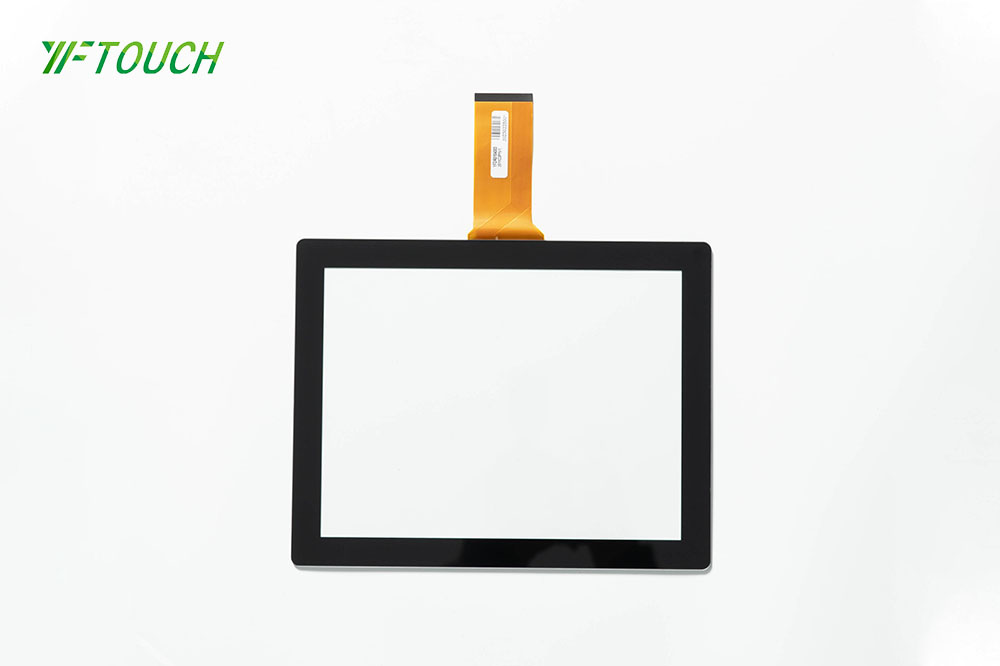
A touchscreen projected capacitive(PCAP)is a modern Touch Technology widely used in smartphones,tablets,industrial displays,and automotive systems.Unlike resistive screens,projected capacitive touchscreens detect touch through changes in the electrostatic field,allowing for high sensitivity and multi-touch capability.
How Projected Capacitive Touchscreens Work
The working principle of a PCAP touchscreen relies on a layer of conductive material embedded in the glass.When a finger or stylus touches the screen,it changes the local capacitance.Sensors detect these changes and the device controller translates them into precise coordinates,enabling smooth and accurate input.This technology supports multi-touch projected Capacitive Screens,gestures,and pinch-to-zoom functions.
Advantages of Projected Capacitive Screens
Touchscreen projected capacitive technology offers several benefits.It provides excellent durability and scratch resistance,as the touch surface is usually made of strong glass.Additionally,high precision projected Capacitive Touch Screens allow for fast response times and reliable operation in industrial or retail environments.PCAP screens are also ideal for automotive projected capacitive touchscreens due to their robustness under various temperature conditions.
Applications Across Industries
Pcap Technology is widely applied in consumer electronics,industrial control panels,medical projected capacitive displays,and point-of-sale(POS)systems.Its durability,multi-touch support,and clarity make it the preferred choice for devices requiring both performance and aesthetic appeal.
Conclusion
Overall,projected capacitive touchscreens represent a leap forward in touch interface technology.With their high sensitivity,multi-touch support,and durability,they are an essential component in modern devices ranging from smartphones to industrial panels,ensuring precise and reliable user interactions.
Copyright © 2026 Dongguan Yuefeng Optoelectronics Co., Ltd All rights reserved.


